What to Check When Creating a Quiet Corner at Home
Start With the Purpose of Your Space
A quiet corner isn't just a spot where you sit. It's a small area that feels separate from the rest of the room, a place where you can read, think, or simply rest your eyes for a few minutes. Before you add anything, ask yourself what the corner will be used for. A reading nook needs a good light and a comfortable seat. A meditation corner asks for a clear floor area and a low cushion. A home office nook needs a desk and surfaces that help you focus. Once you decide the use, everything else follows from that choice.
Choose a Location That Already Feels Calm
Look for a spot that naturally feels quieter than the rest of the room. Corners near windows work well if the view is pleasant and the light isn't too harsh. Alcoves, the space behind a sofa, or the end of a hallway can also work. Avoid areas next to doors, walkways, or anything that forces your attention to move. The goal is to pick a spot that already has some visual separation, so you don't have to work against the room's normal flow.
Use Neutral Tones to Build a Base
Color psychology shows that muted, neutral tones help the mind settle. Walls painted in soft whites, warm grays, or pale earth colors make the corner feel like a retreat. If you can't paint, use a large piece of fabric or a room divider in a neutral shade. This base lets you add stronger accents later without making the space feel busy. Neutral tones also help the corner feel larger, because they reflect light gently and avoid sharp contrast.
Add Green Botanical Wall Decor for Texture
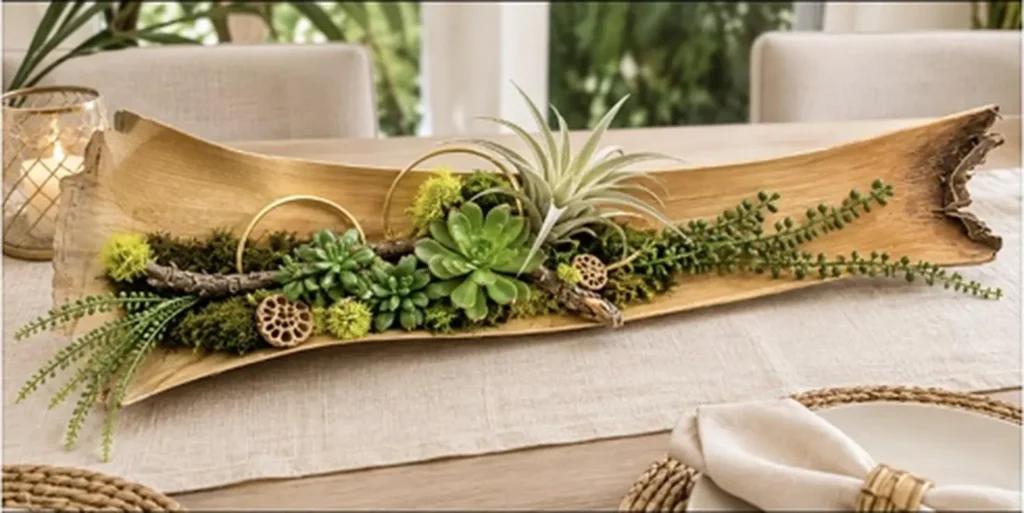
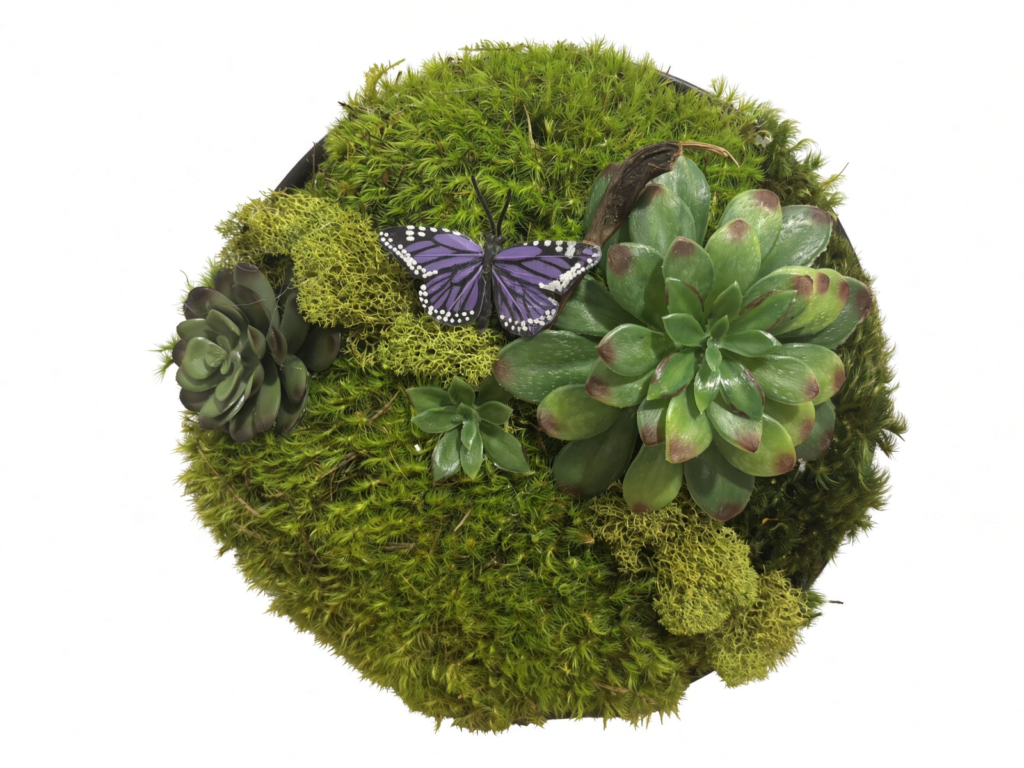
Once the base is ready, introduce natural elements that bring life without demanding care. Green botanical wall decor fits perfectly here because it adds depth and a sense of calm. Preserved moss panels, for example, offer a soft, textured surface that feels like a living wall but needs no watering or trimming. They absorb a little ambient sound and create a visual anchor that draws the eye. When you look at that wall, your brain registers the organic shapes and the cool green hue, and that signals rest. One good source for this kind of decor is mosswallart.design, which specialises in preserved moss art for indoor spaces. Their panels are designed to sit quietly on the wall and bring the outside in without any upkeep.
Layer Soft Lighting for Warmth
Harsh overhead lights ruin the mood of any quiet corner. Instead, use lamps that cast a soft, warm glow. A floor lamp placed behind a chair, a small table lamp with a fabric shade, or a string of warm LEDs along a shelf all work well. The light should fall on the surfaces you use, but never shine directly into your eyes. Dimmers give you control, letting you adjust the brightness depending on the time of day or the activity. Warm white bulbs with a color temperature around 2700K mimic the light of a fire and feel natural to the eye.
Select Furniture That Supports Rest
Every piece of furniture in the corner should serve the purpose you chose first. If the corner is for reading, a comfortable armchair or a chaise lounge works better than a hard wooden chair. If the corner is for meditation, a low cushion or a small bench keeps the posture right. A small side table or a narrow shelf holds a book, a cup of tea, or a phone without cluttering the space. Keep the furniture low and compact so the corner doesn't feel crowded. Leave enough room to stretch your legs or change position easily.
Incorporate Negative Space for Breathing Room
Negative space is the empty area around objects. It gives the eye a place to rest. In a quiet corner, negative space is essential. Don't fill every surface. Leave a section of the wall bare. Keep the floor clear around the furniture. Let the mat or rug define the area, and stop there. Too many objects make the corner feel like a storage closet. A single piece of green botanical wall decor on a large wall, with nothing else around it, creates a stronger sense of calm than a gallery of small items.
Add Soft Textiles for Comfort
Textiles absorb sound and add warmth. A wool throw over the back of the chair, a cushion with a linen cover, or a small rug underfoot all help the corner feel inviting. Choose fabrics in colors that match your neutral base. Avoid patterns that are too busy, because they draw attention and break the calm. The textiles should feel good to touch and easy to clean. Natural fibers like cotton, linen, and wool breathe better and age well.
Keep Technology Out of Sight
A quiet corner should be a break from screens. If you need a phone or tablet for reading, store it in a drawer or behind a closed cabinet when not in use. Avoid placing a television or a computer monitor in the corner. The light and the notifications pull your attention back to the busy world. If you must have a charging station, hide it behind the furniture or inside a basket. The less technology you see, the easier it is to settle into the space.
Test the Corner for Real Use
Sit in the corner for ten minutes with nothing to do. Notice what your eyes fall on. If something bothers you, move it. Adjust the light, shift the rug, or swap the cushion. The corner should feel right without any effort. If it doesn't, change one thing at a time until it does. The checklist is a starting point, not a rule. Your own sense of calm is the final judge.
Refresh the Corner Seasonally
A quiet corner doesn't have to stay the same all year. Swap a heavy wool throw for a light cotton one in summer. Change the green botanical wall decor if you want a new look, or simply rotate the existing pieces. Seasonal refreshes keep the space feeling alive without requiring a full redesign. The goal is to maintain the sense of calm, not to chase a trend. A small change can renew your connection to the space and make it feel like yours again.
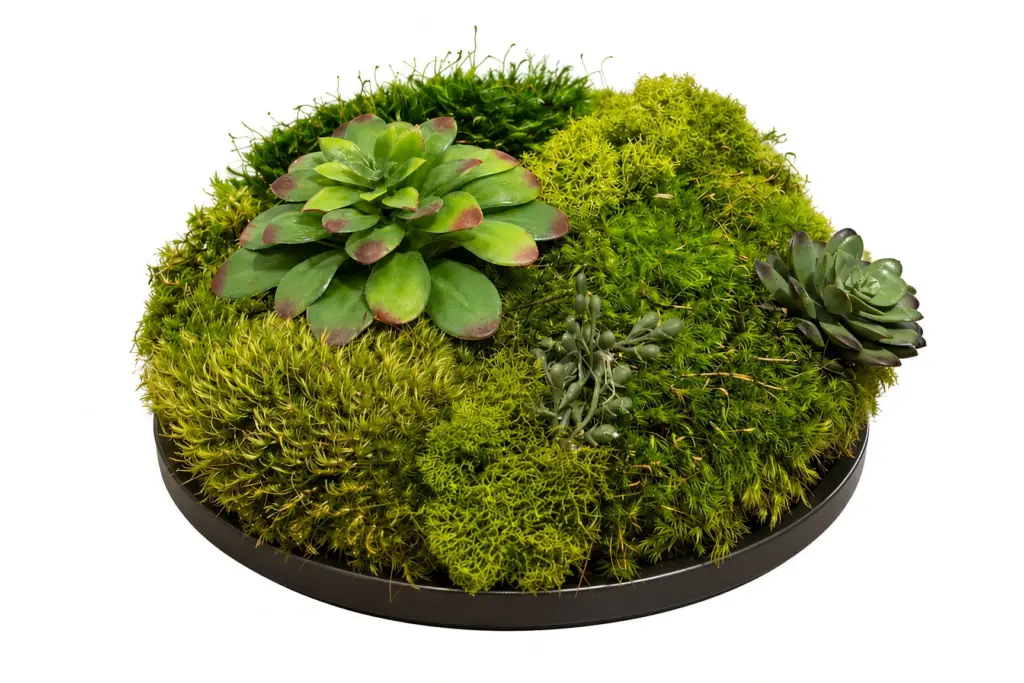
Creating a quiet corner is a simple project, but it rewards careful thought. Each element, from the wall color to the lighting to the textures, works together to build a place where the mind can slow down. If you are looking for preserved moss panels that add natural texture and a calming botanical style, you can explore options from mosswallart.design. Their pieces are made for indoor spaces and require no maintenance, so you can enjoy the look without the work. A well-styled quiet corner is a gift you give yourself every time you sit there.